
AI Systems for Insurance Operations
Zenaight builds AI systems for insurance operations where document handling, internal workflows, review support, and practical software delivery need to work together cleanly.
Value comes from reducing handling friction, improving team visibility, and supporting controlled workflows across information-heavy operations.

Related capabilities
Where insurance operations need stronger systems
Where Zenaight fits
Use cases
Typical insurance use cases
Examples of how Zenaight can support operational teams in this environment.
Document intake and structured extraction
Claims or policy workflow support tools
Internal dashboards for review and case coordination
AI-assisted processing steps inside operational software
Outcomes
What better systems support
What stronger systems can unlock for operational teams over time.
Related industries
Next step
If your environment needs a blend of software, AI, and connected infrastructure, we can scope the system around your operational constraints.
Discuss an Insurance ProjectSelected work
Relevant proof
Projects that show how Zenaight brings together intelligent software, AI, and connected system delivery.
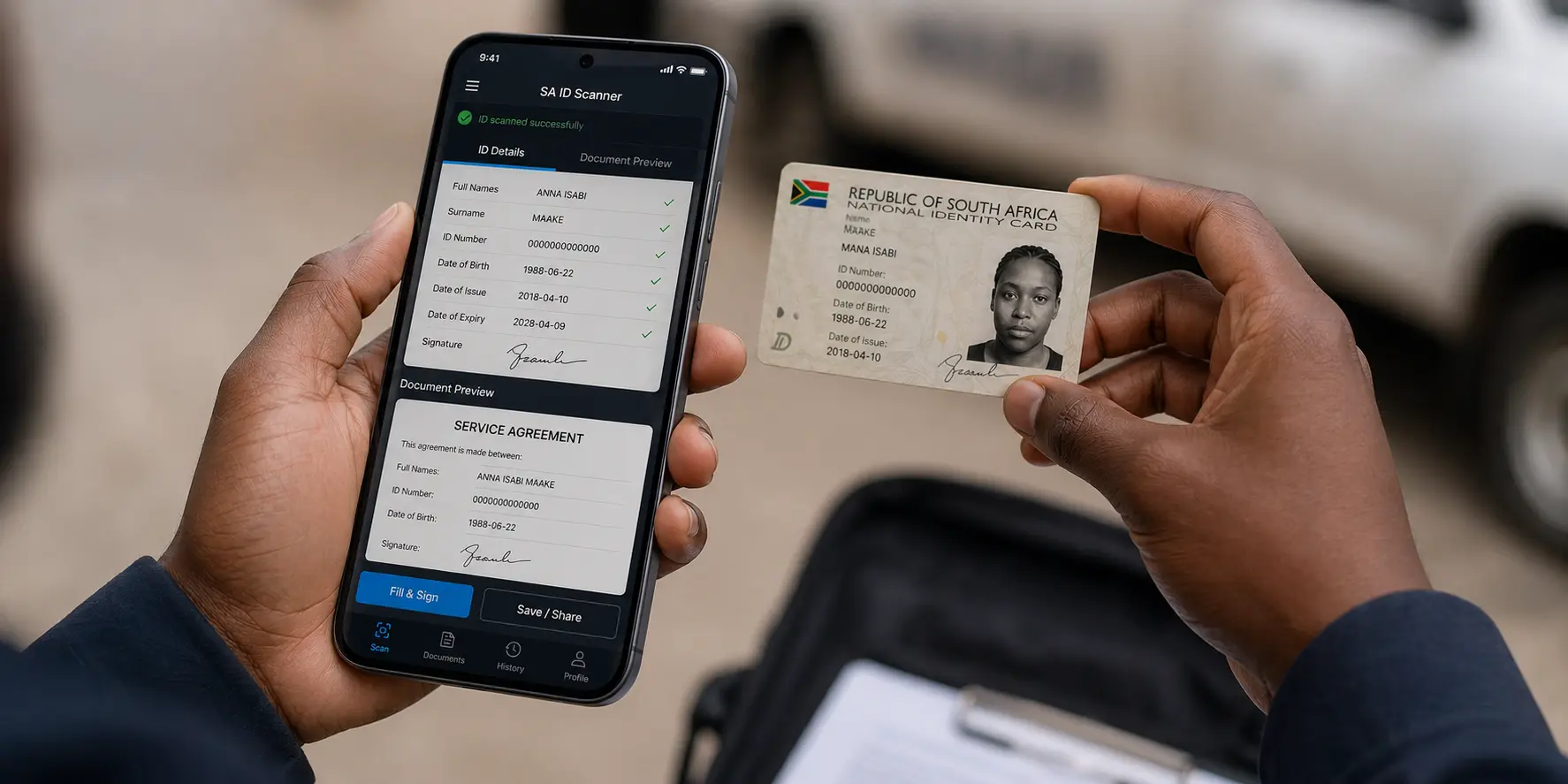
ID Card Information Extraction AI System
An AI extraction workflow that shows how mobile-captured information can be turned into structured business data.
View case study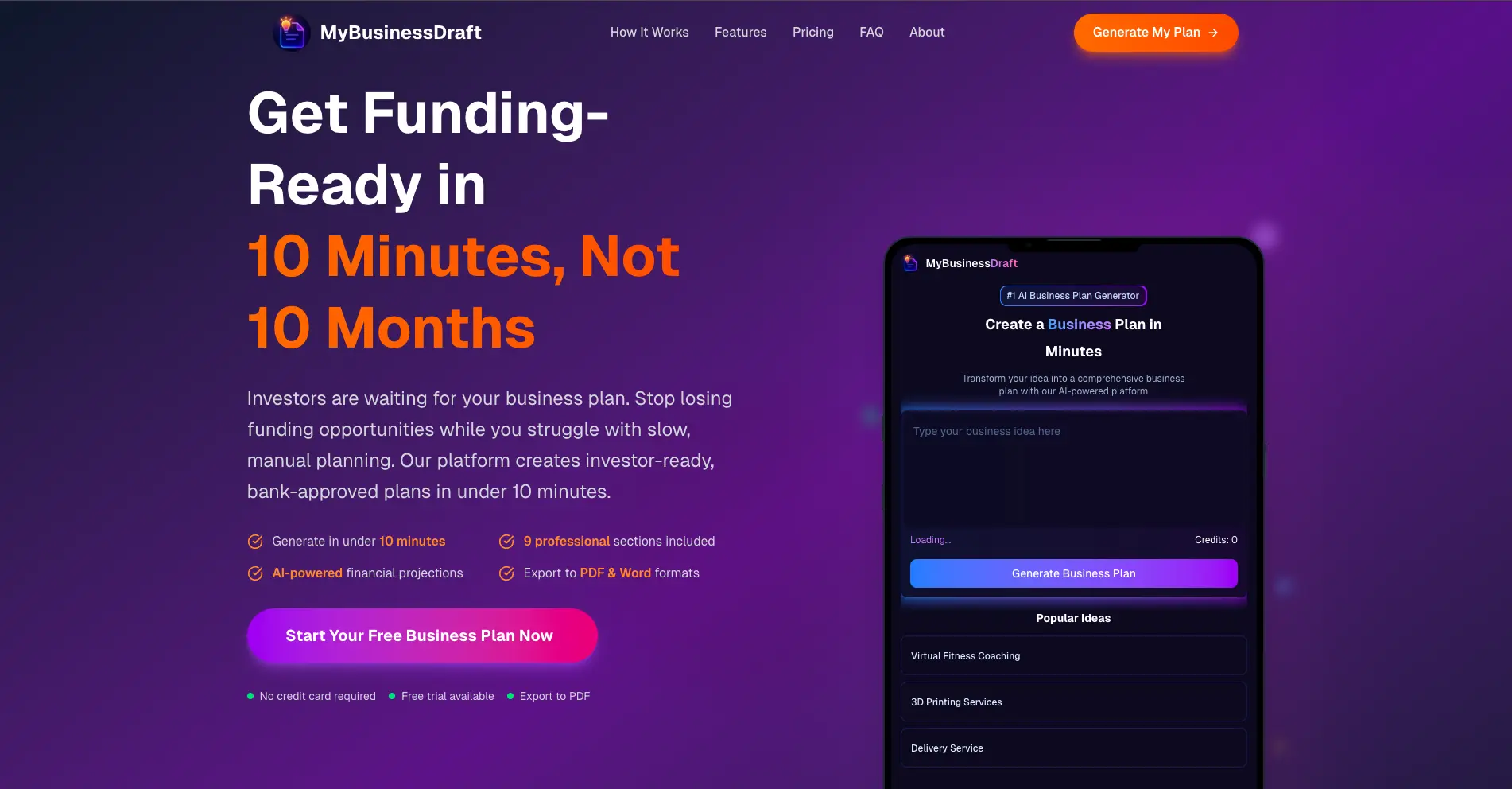
MyBusinessDraft – AI Business Plan Generator
A subscription platform that demonstrates structured workflows, product logic, and usable software delivery for commercial operations.
View case studyContact
Build a system that fits the realities of your operation
Zenaight works best where software, AI, workflows, and deployment conditions need to be designed together, not treated as separate projects.