
AI Systems for Fintech and Financial Operations
Zenaight builds AI systems for fintech and financial operations where document handling, extraction, workflow automation, internal tools, and operational decision support need to be practical and reliable.
The opportunity is not generic AI. It is well-structured systems that help teams move faster while keeping workflows controlled and usable.

Related capabilities
Where fintech teams need stronger systems
Where Zenaight fits
Use cases
Typical fintech use cases
Examples of how Zenaight can support operational teams in this environment.
Document intake, OCR, and structured data extraction
Internal workflow tools for review and processing teams
AI-assisted decision support inside operational software
Customer- or staff-facing applications that rely on structured automation behind the scenes
Outcomes
What better systems support
What stronger systems can unlock for operational teams over time.
Related industries
Next step
If your environment needs a blend of software, AI, and connected infrastructure, we can scope the system around your operational constraints.
Discuss a Fintech ProjectSelected work
Relevant proof
Projects that show how Zenaight brings together intelligent software, AI, and connected system delivery.
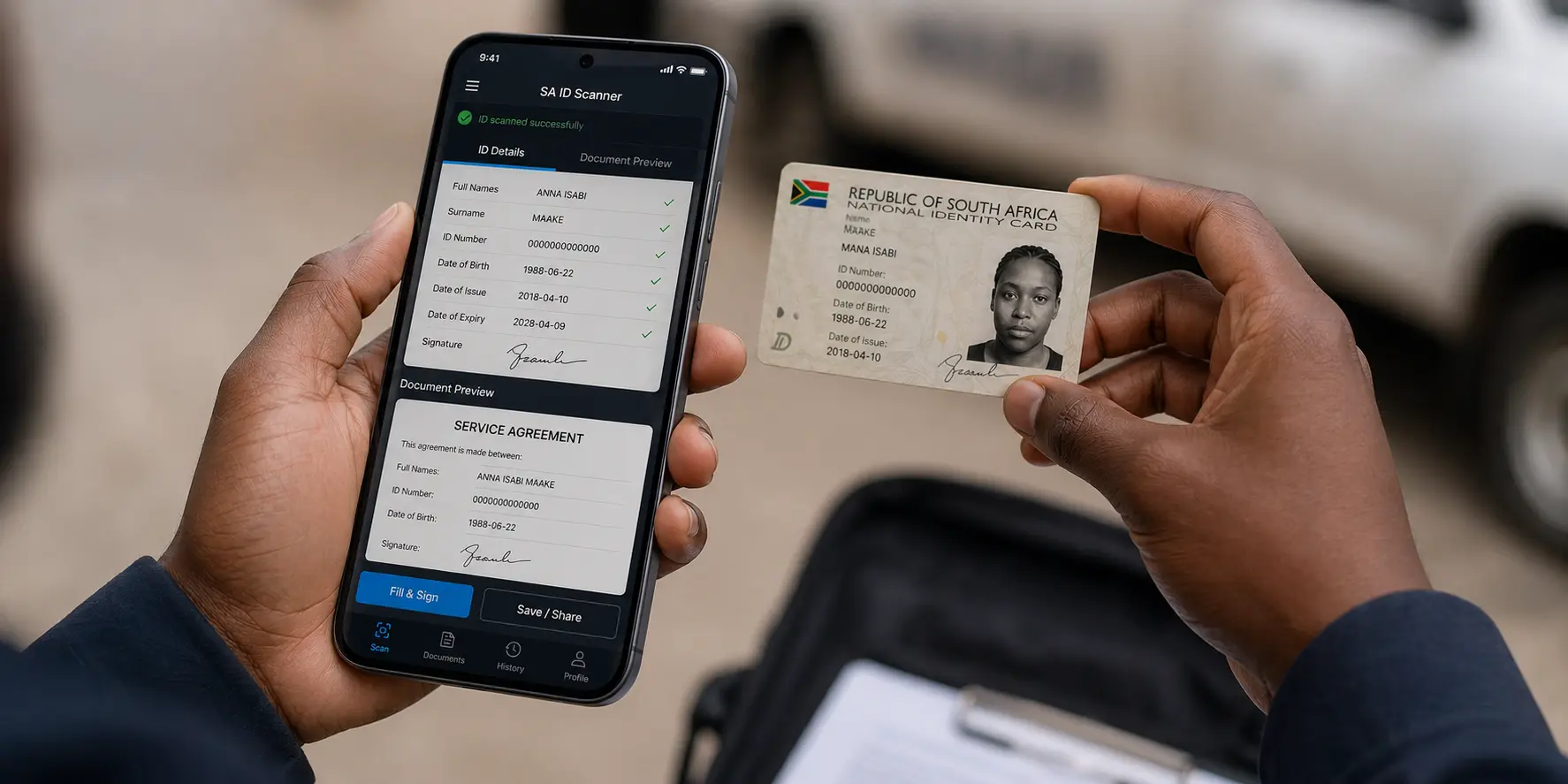
ID Card Information Extraction AI System
An AI extraction workflow that turns mobile-captured identity documents into structured business data.
View case study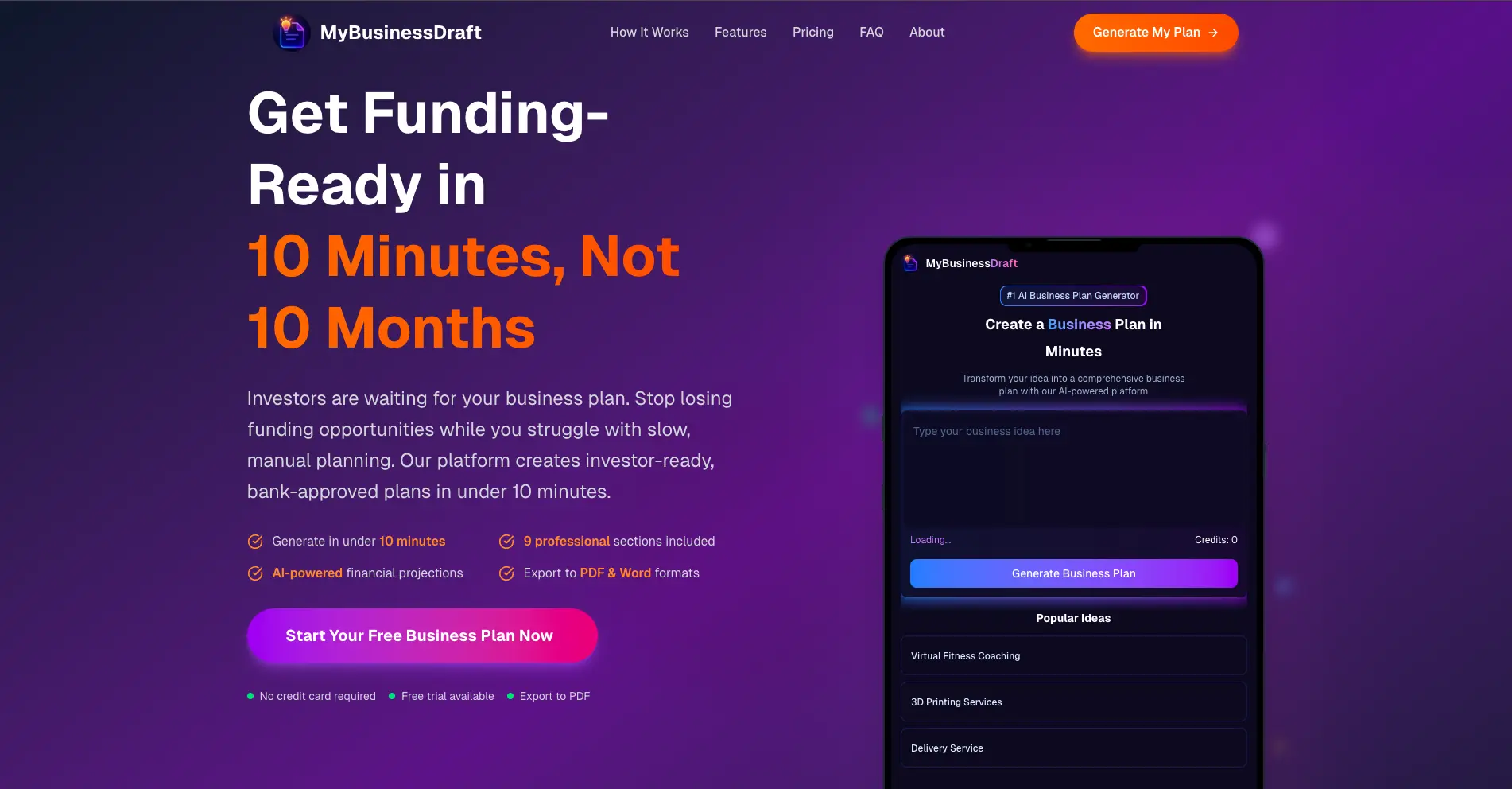
MyBusinessDraft – AI Business Plan Generator
A subscription AI platform that demonstrates how structured workflows and application delivery create usable commercial products.
View case studyContact
Build a system that fits the realities of your operation
Zenaight works best where software, AI, workflows, and deployment conditions need to be designed together, not treated as separate projects.