
AI Systems for Energy and Connected Operational Environments
Zenaight builds AI systems for energy and connected operational environments where monitoring, field visibility, internal tooling, alerts, and edge-aware systems need to support real decision-making.
In these environments, the quality of the operating system around the data matters just as much as the intelligence inside it.
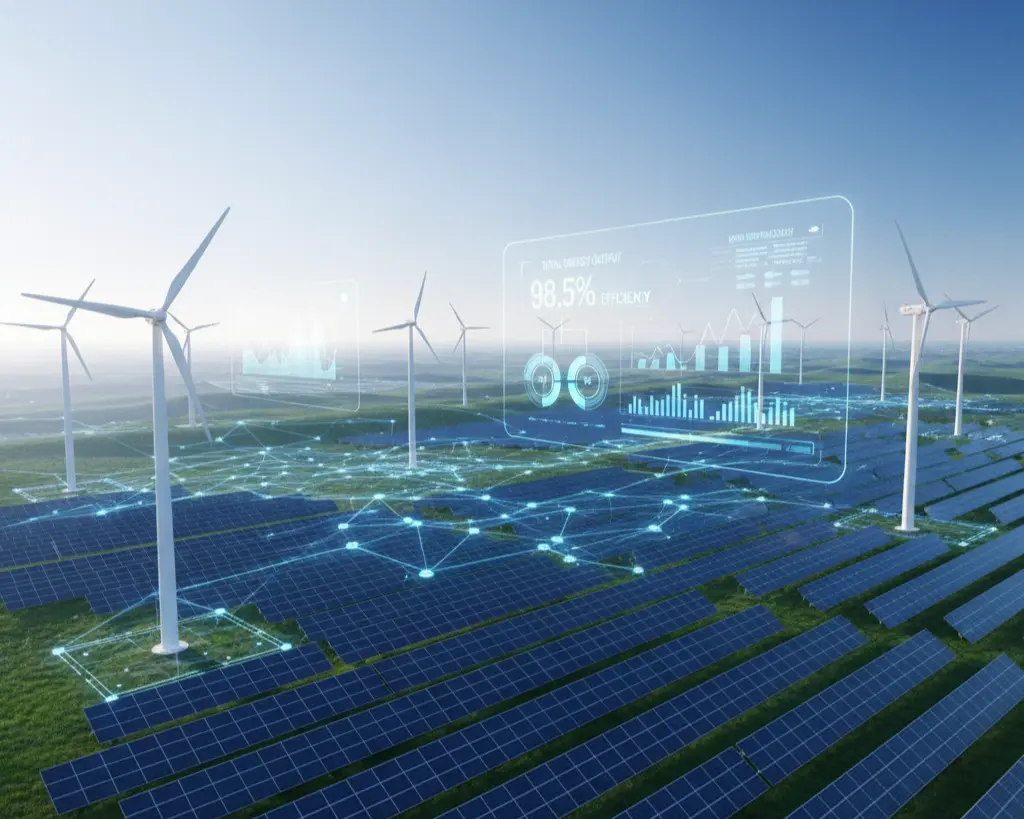
Where energy operations need stronger support
Where Zenaight fits
Use cases
Typical energy use cases
Examples of how Zenaight can support operational teams in this environment.
Remote site visibility and event monitoring
Operational dashboards and internal tools for field coordination
Connected edge systems that feed live data into software workflows
Alerting and review systems for critical events or exceptions
Outcomes
What better systems support
What stronger systems can unlock for operational teams over time.
Related industries
Next step
If your environment needs a blend of software, AI, and connected infrastructure, we can scope the system around your operational constraints.
Discuss an Energy ProjectSelected work
Relevant proof
Projects that show how Zenaight brings together intelligent software, AI, and connected system delivery.
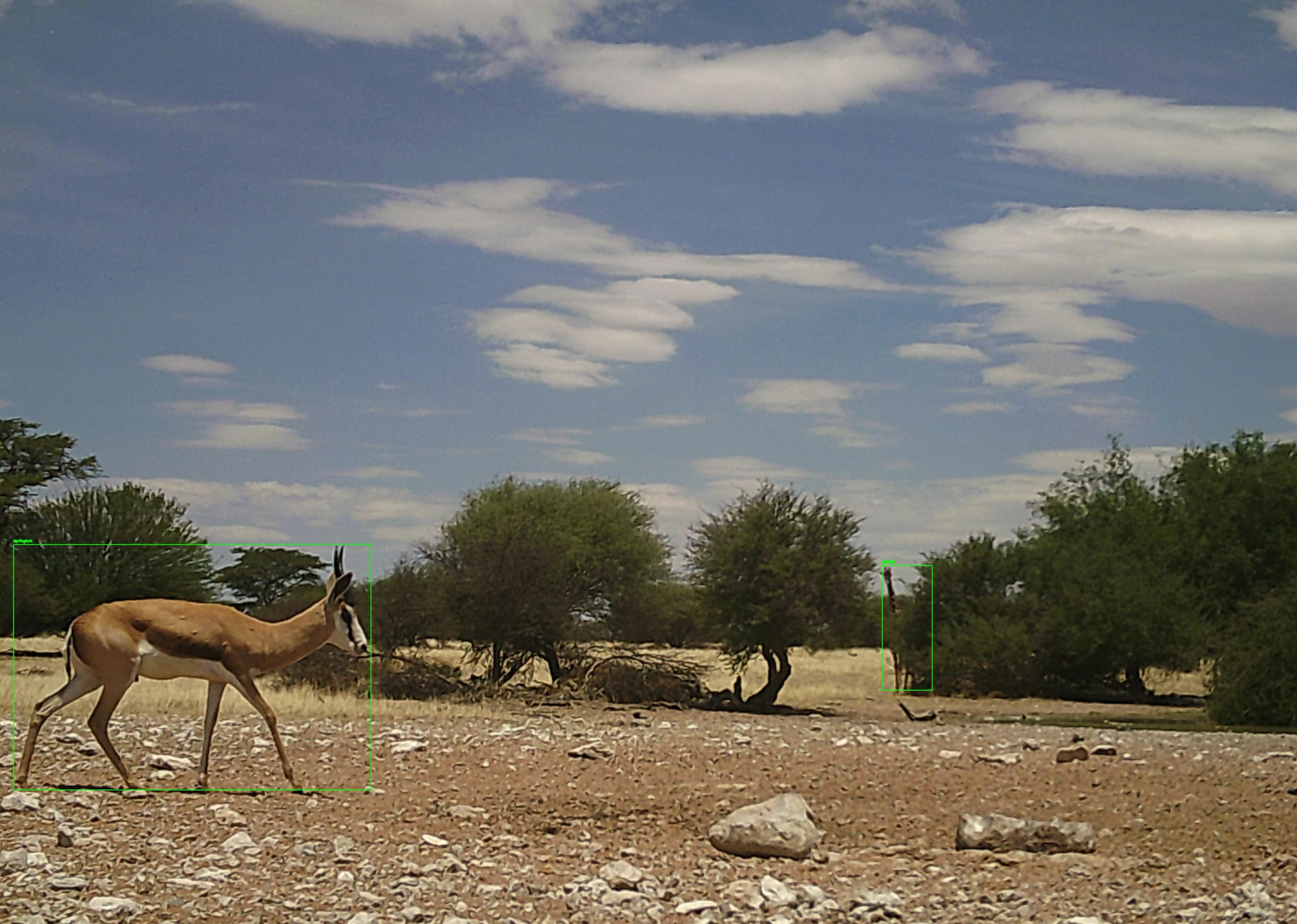
WildCam AI Wildlife Monitoring System
A remote monitoring platform that demonstrates connected field devices, AI-assisted visibility, alerts, and operational software in one system.
View case study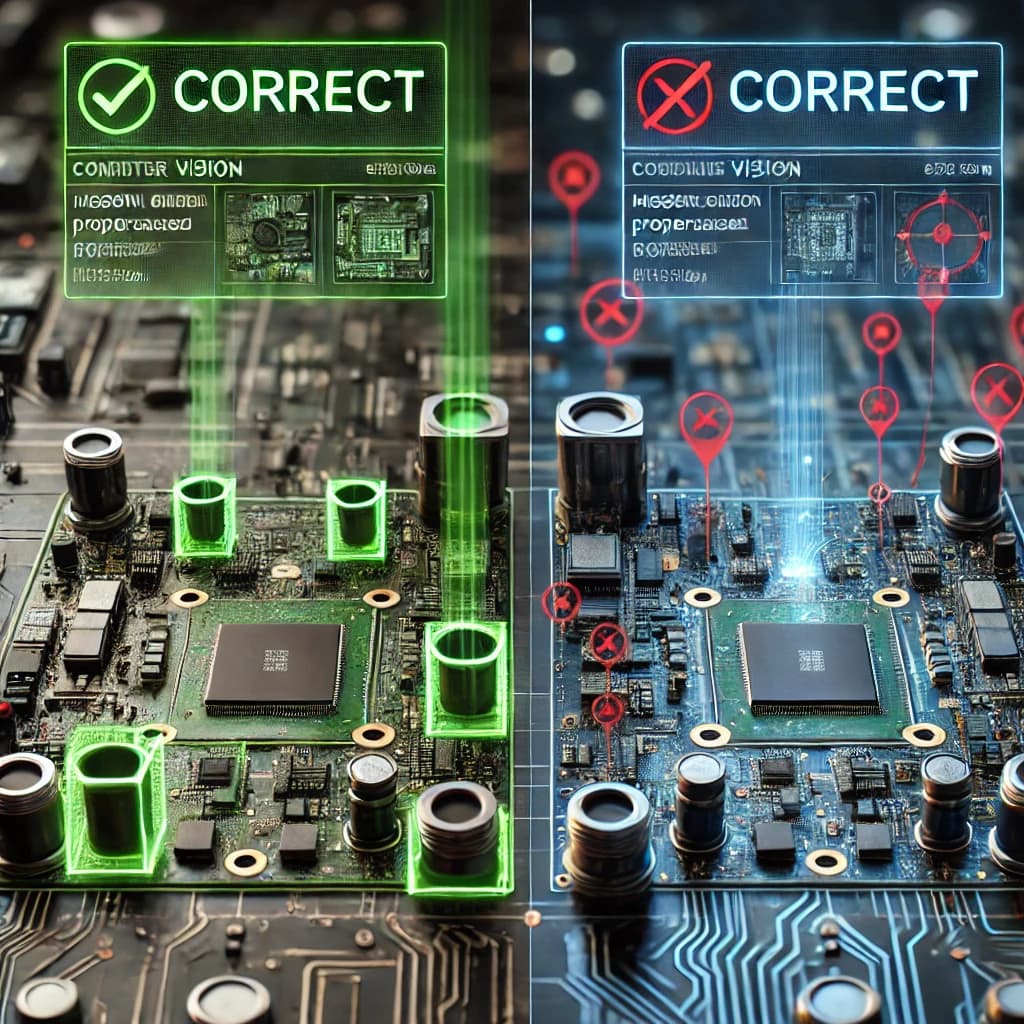
Quality Control Computer Vision AI System
A quality-control system that shows how operational monitoring and faster issue detection can be structured around real workflows.
View case studyContact
Build a system that fits the realities of your operation
Zenaight works best where software, AI, workflows, and deployment conditions need to be designed together, not treated as separate projects.